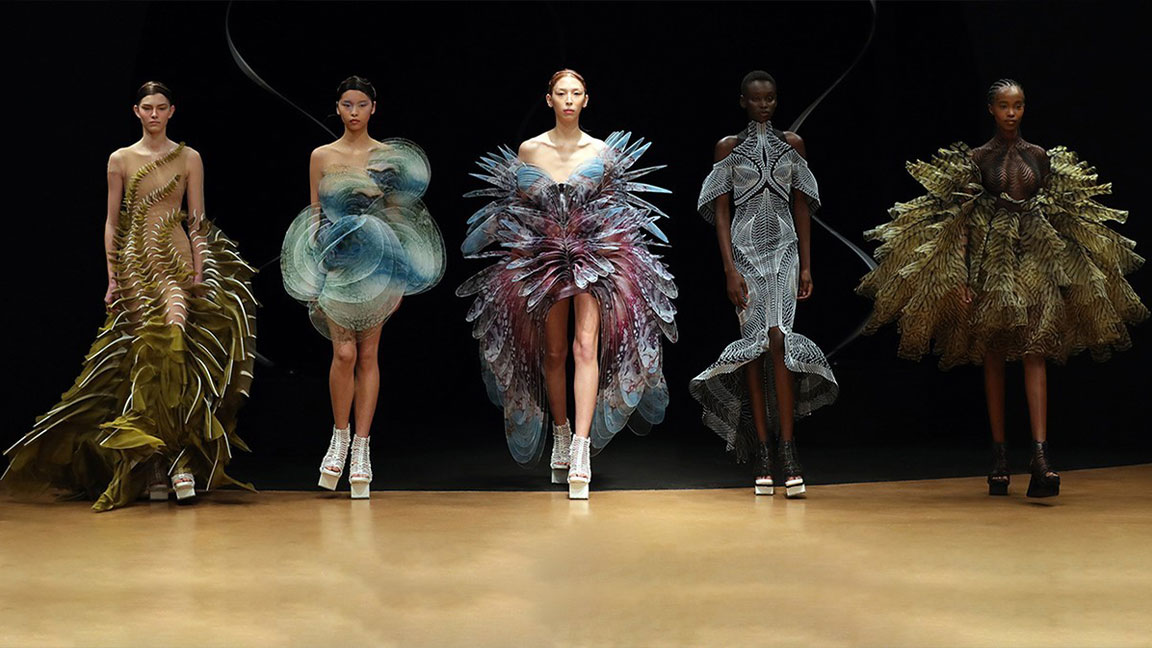
Fashion has always been a form of identity, creativity, and culture, but in recent decades, it has also become a sign of overconsumption and ecological degradation. The global fashion industry is one of the largest contributors to pollution, waste, and carbon emissions. A new era has arrived: one where innovation and sustainability are reconceptualizing not only the way we design, produce, and wear clothes, but also the values that drive fashion.
The Shift to Conscious Fashion
Fashion used to be synonymous with seasonality and fast production cycles. The times are changing, with growing awareness regarding environmental and ethical issues, making conscious fashion a mainstream trend. Transparency and meaning are being called for from the brands they are connecting with by the modern consumer, especially the young. They want clothes that look good and are functional. It ranges from biodegradable fabrics to AI-powered design systems. Technology in reality driving global fashion from a culture of waste to a circular and responsible model.
Materials of the Future
Materials science is at the forefront of some of the coolest breakthroughs in fashion. New textiles are being developed by scientists and designers to combine style and desirability. Lab-grown leather produced using mycelium—the underground structure of fungi—is animal-tested free and biodegradable. Recycled polyester made from ocean-bound plastic waste reduces plastic waste and is strong and durable.
While replacing chemical-based dyes with natural ones coming from plants, algae, and bacteria greatly reduces water pollution, other companies go so far as to even try and make fabrics naturally decompose, leaving no trace behind. That is how technology walks hand in glove with sustainability toward an increasingly eco-conscious wardrobe.
Digital Design and Smart Production
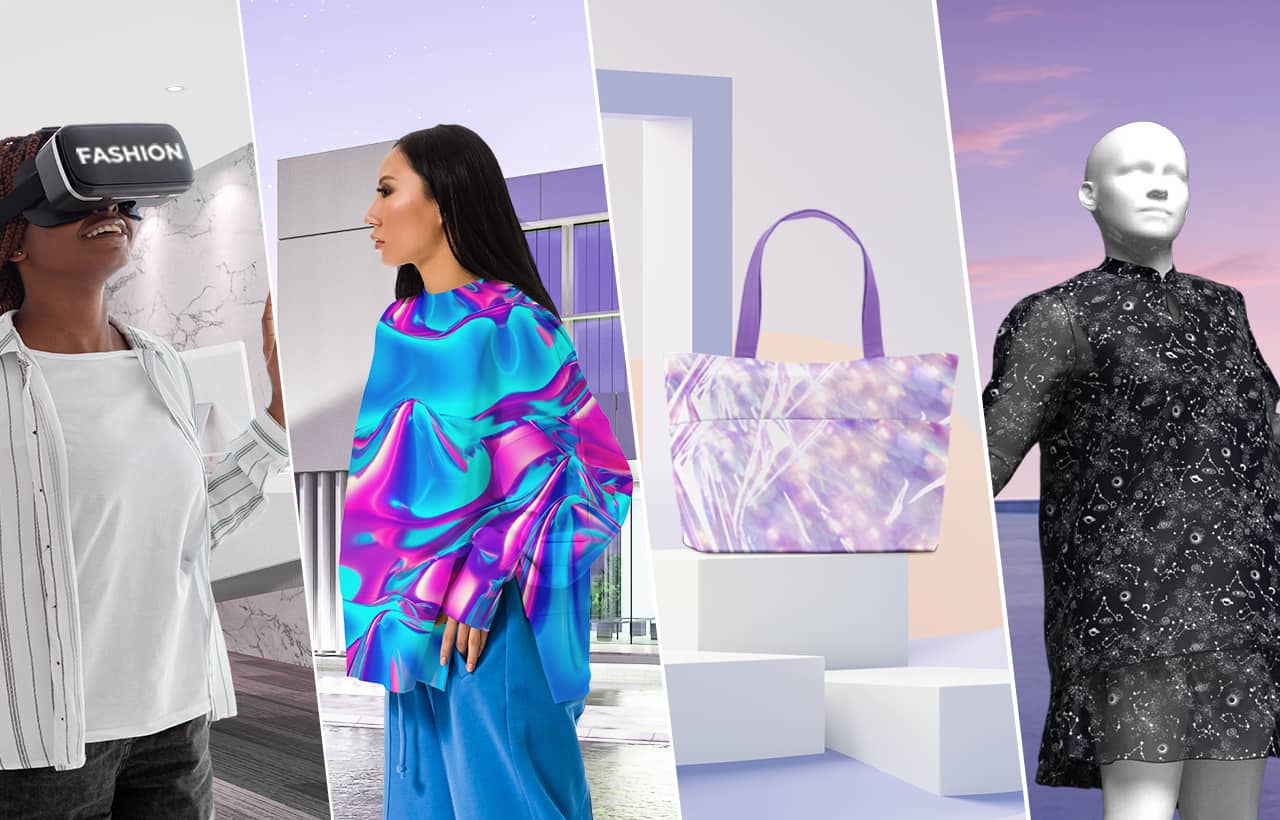
Innovation is also driving a revolution in how clothes are designed and made: thanks to 3D modeling, artificial intelligence, and digital sampling, today’s fashion designers can create virtual prototypes with no physical material waste. Moving to digital saves time and resources but allows even more creativity and personalization.
Additionally, smart production systems, through data analytics and automation, enable supply chain optimization. Brands can forecast consumer demand more precisely to avoid overproduction-one of the key issues within fast fashion. Digital fashion, wherein only a virtual version of the garment exists, is increasingly becoming popular and offers a virtual means of self-expression in the digital era with at least minimum ecological impact.
Circular Fashion and Recycling Innovation
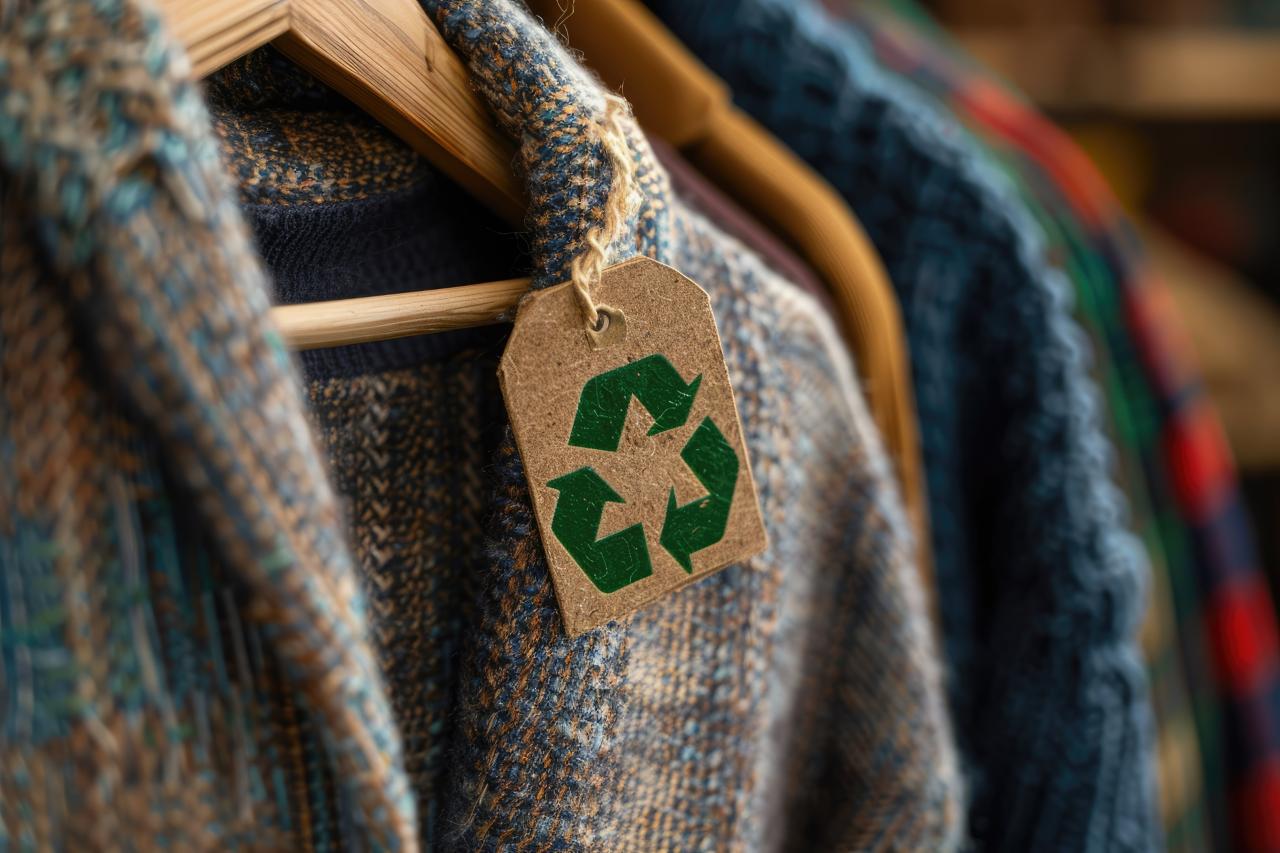
The circular economy-where materials are reused, recycled, or repurposed rather than discarded-is the future of sustainable fashion. Recycling technologies that turn old garments into new fabrics are attracting startups and big brands alike. Several companies have initiated “take-back” programs that allow customers to return used garments for recycling or resale.
Meanwhile, blockchain technology is increasingly being introduced that allows customers to track every step of a garment’s life, from sourcing and manufacturing right through to distribution, for greater transparency. This does more than build trust; it also holds brands accountable for their environmental and ethical claims.
A New Definition of Style
Fashion innovation is not only about technology; it’s about re-evaluating what fashion means today. True style today stands for being mindful, long-lasting, and responsible. In this regard, consumers are moving away from fast-changing trends to timeless pieces that echo values more respective of their target.
The integration of sustainability and innovation is a cultural shift. Fashion is no longer just about the way something looks but rather about the meaning. It’s now moved to become an industry that celebrates creativity and consciousness while designers, technologists, and consumers all come into play.
Conclusion: The Future of Fashion
The future of fashion innovation is a whole new way to give fashion a narrative-a balance between beauty and sustainability. Technology propels the revolution of how we express our identity with clothes: breakthrough materials, ethics of production, and digital creativity.
Fashion tomorrow will make us look good but also feel good, knowing it’s a contribution toward a more sustainable planet. Innovation is not a luxury in this new era, innovation is what the future of style is made of.