Traveling is one of the great pleasures in life to explore cultures, connect with other people, and find out the unknown place. Nowadays technology for tourism is easier, options more than just a printed guidebook or a foldout map. Technology is helping a new setting for how we plan and experience the journeys. Innovation from virtual reality previews to AI-powered itineraries-is making smart, more personalized, and sustainable ways to travel the world.
The Digital Transformation of Travel
Digital technology is transforming every aspect of tourism. Traveling now begins before you even arrive at a new destination. Searching for information, comparing prices, and booking accommodations is easy with online platforms and mobile apps. Artificial intelligence is making this even easier by suggesting flights, hotels, and activities for travelers based on their interests.
Real-time customer service can be provided by AI chatbots to help recommend the most suitable time to travel based on weather or crowd levels. Virtual assistants like Google Travel or TripIt also serve as digital concierges, arranging travel plans, tracking bookings, and keeping travelers notified. Smart travel has been rethought by this convenience and personalization.
Immersive and Interactive Experiences
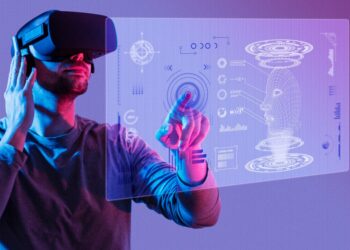
Some of the most exciting developments to take place in modern tourism have been immersive technologies, Virtual and Augmented Reality. Travelers will be able to view 360-degree hotel tours, museums, or places of interest while still at home with VR headsets. It will not only help in better planning but also give great excitement for the upcoming journey.
Onsite, AR applications bring destinations to life. Imagine walking through ancient ruins where your phone overlays digital reconstructions of how the structure once looked or navigating a museum in which an app provides real-time translations and historical insights. Such experiences turn passive sightseeing into active exploration, making travel both more entertaining and instructive.
The Role of Smart Destinations
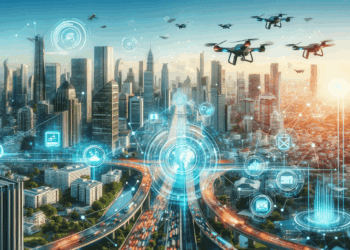
Increasingly, cities and tourist destinations are becoming “smart.” With the power of the IoT, sensors, and data collection, smart cities enhance visitor experiences while increasing their potential for sustainability. An example could be smart parking systems, crowd management technologies, and digital ticketing that reduce congestion and improve efficiency.
Some of these destinations also make use of big data in monitoring tourist flow with the main objective of protecting fragile ecosystems. For example, satellite tracking by national parks helps them in managing visitors to prevent over-tourism. These innovations make travel more convenient but at the same time help in the preservation of cultural and natural heritage for future generations.
Personalization and the Future of Travel
The future of tourism helps by technological innovation. Driven by AI, data analytics, and wearable technology, journey experiences will be tailor-made for the individual in real time. The system able to suggest restaurants nearby, considering your foods, or even track stress levels and recommend some relaxing activities. Biometric systems also ease check-in procedures at airports and hotels to make traveling even easier and far more secure. Digital identities combined with blockchain may soon enable seamless, paperless global travel.

Conclusion: Technology as the New Travel Companion
Innovation does not replace what is at the core of travel-it complements it. Technology equips us to become more profound, responsible, and efficient explorers of the world. Intelligent tools and creative solutions intervene in every part of the journey, from planning to discovery. In this new era of tourism, the most memorable experiences are those gained by human needed and technological sophistication.