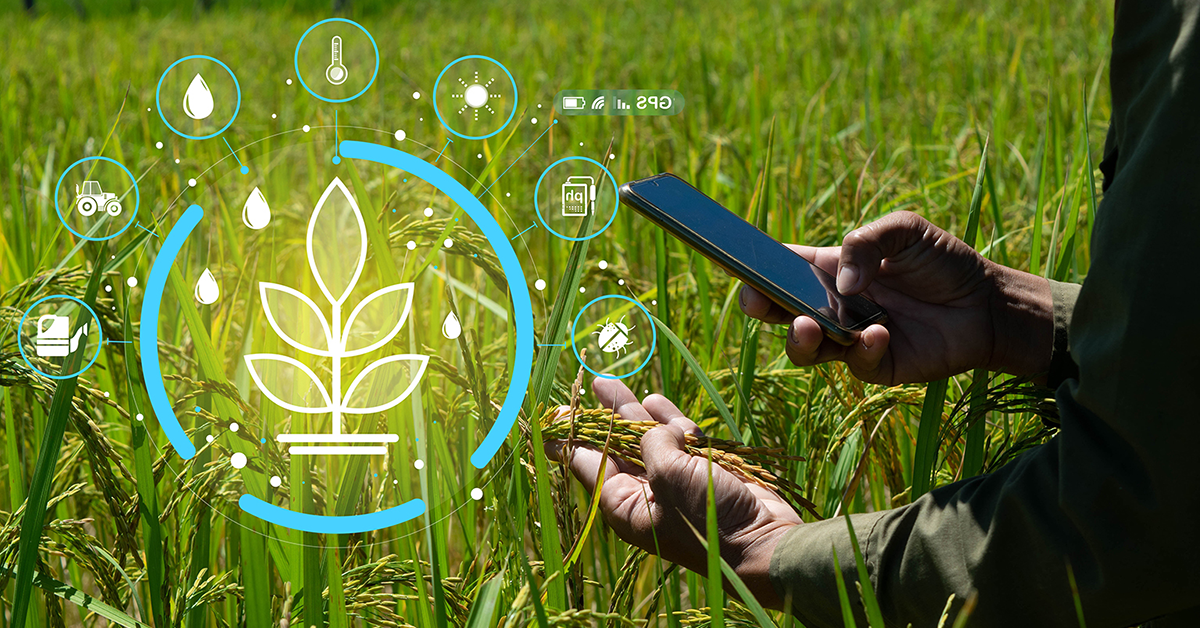
Agriculture is the backbone of human civilization. Farmers have always produced food for the ever-increasing population using experience, tradition, and manual labor. However, all over the world, mankind has to tackle some serious challenges, including climate change, resource depletions, and exponential growth of the population. It is here that smart farming-an approach encompassing technology, data, and sustainability-comes in to revolutionize the way food grows. The digital transformation taking place in agriculture is not a change in agriculture alone; it shapes the future of global food security.
The Rise of Smart Farming
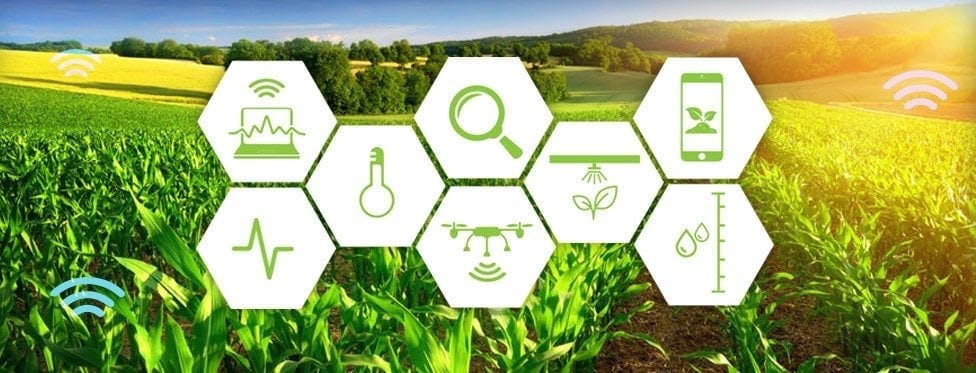
The concept of smart farming or precision agriculture basically encompasses the integration of the latest technologies, including the IoT, drones, AI, and analytics data, for the betterment of farming. Farming will be vastly more efficient and less wasteful by using real data instead of just guessing. For instance, sensors installed in the soil can detect-in real time-moisture levels, nutrient content, and temperature to help farmers exactly determine when to irrigate and how much water is needed.
This is the exact control over resources, giving way to higher yields while causing less environmental impact. Drones scan large swaths of farmland, enabling the detection of any plant diseases or pest attacks before an outbreak can occur. AI algorithms analyze satellite imagery for weather pattern forecasting and recommend the most favorable times to plant or harvest. In other words, smart farming makes agriculture a science rather than an art.
Technology at the Heart of the Field
Probably the most exciting thing in smart farming is the integration of technology at every level of production. Automation has meant, for example, that planting, watering, and harvesting crops require as little human input as possible. Tractors and harvesters can work day and night, while GPS and AI systems guide them with great precision and productivity.
The IoT devices play an especially integral part in the ecosystem. Sensors, drones, and machinery linked to central platforms bring information on the whole operation to the farmer. Real-time data here helps farmers make decisions on everything from adjusting fertilizer levels to early detection of crop stress. Blockchain technology is also being leveraged to ensure food supply chain transparency, enabling consumers to trace products right from farms to their tables.
Sustainability and Efficiency
Beyond productivity, smart farming embodies sustainability. Traditional farming has typically been related to excessive water, energy, and chemical use, which in turn have been major causes of soil degradation and pollution. Smart technologies diminish these problems by ensuring that resources are used only in due time and place. For instance, a precision irrigation system can reduce water consumption by as much as 50%, while the targeted application of pesticides avoids overuse and protects biodiversity.
Other innovations include the monitoring of weather and soil conditions, with a view to adapting their farming practices. This is quite important under global warming, since the unpredictability of rainfall and extreme temperatures threatens food production.
Challenges and the Road Forward
Not all that glitters is gold, and smart farming also has its own challenges: the high cost of technology, lack of digital literacy among farmers, and limited reach of the internet in rural areas are major stumbling blocks. However, governments, startups, and global organizations are all investing heavily to bridge these gaps. Sensors, now gradually more affordable, free-and-open-source software, and mobile apps lower barriers to entry even for small-scale farmers.
As technology develops, it is most likely that the future of agriculture will be much more intelligent and connected. Concepts like autonomous farms, where everything is automated and optimized, are already in experimental stages. The goal is very apparent: to feed a growing global population while preserving the natural resources for generations yet to come.
Conclusion: Feed the Future
Smart farming represents the next agricultural revolution. The integration of technology and tradition equips farmers to do more with less and thereby ensure food security for generations to come. As sensors, data, and automation continue to transform fields, agriculture is becoming not just smarter but also sustainable and resilient.
Farms will not rely on the intuition of a farmer, but rather on smooth interaction between human intelligence and digital innovation. With smart farming, it is not only crops we cultivate, but we are cultivating the future.