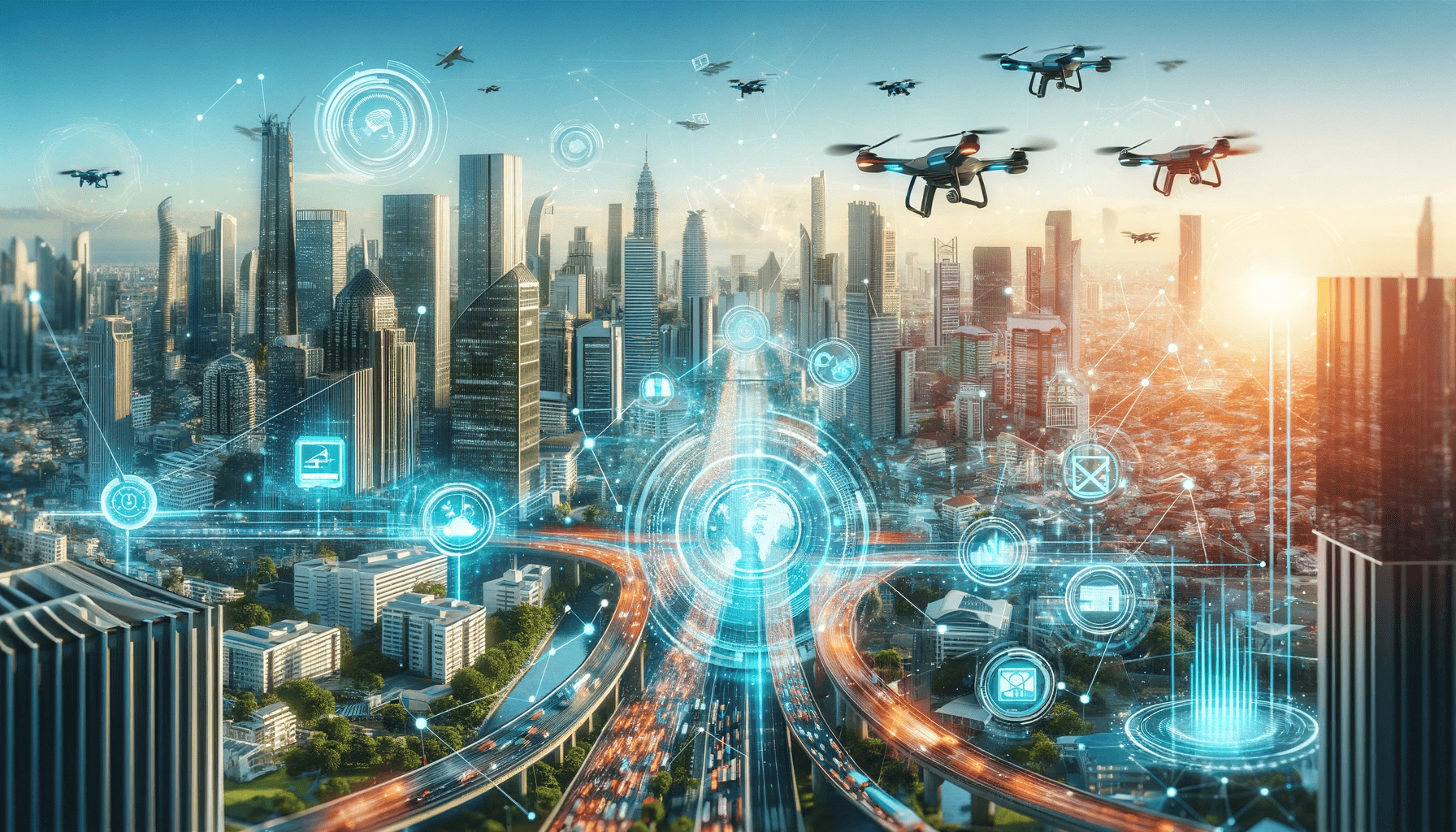
Rapid population growth, pressure on infrastructure, and increasing expectations of citizens for effective public services all encourage various governments and industries to pursue new technological means that could support sustainable development. Currently, the most influential innovations are Generative Artificial Intelligence and the Internet of Things. These two combined can reshape how modern cities function, communicate, and plan long-term strategies.
Generative AI as a Decision-Making Engine
Generative AI has moved a long way past its early uses in content creation. In the context of smart cities, it is essentially a high-powered decision-support system able to analyze massive data sets. Of late, urban planners have started using GenAI in forecasting energy consumption trends, simulating infrastructure stress, and assessing possible urban layouts before making major investments.
What makes GenAI especially valuable is how it can synthesize up-to-the-minute data with historical records and generate reliable insights that enhance the accuracy of policies across the city. For example, transportation authorities can create public transit schedules that best fit the movement patterns observed, thereby reducing congestion without any additional operational costs.
IoT Devices: A City’s Nervous System
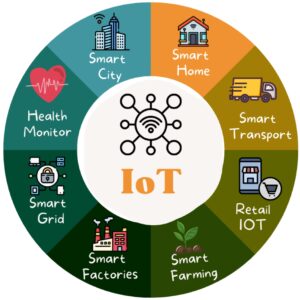
While GenAI does the analysis and prediction, IoT provides the flow of information that is critical to intelligent decision-making. Sensors on roads, buildings, bridges, and public spaces record, in second-by-second detail, air quality, temperature, water consumption, and the flow of traffic. This system of connected devices and sensors is forming the backbone of responsive urban ecosystems. For instance, smart streetlights light up only when a pedestrian or vehicle approaches them, thereby reducing energy consumption to a great extent. Similar IoT sensors on waste management systems automatically provide notifications to concerned authorities once the bins get filled, thus avoiding extra fuel use and operational inefficiency. The Power of Integration: AI + IoT The real value begins to materialize when GenAI and IoT come together. IoT devices grant real-world, accurate visibility into daily city activities to GenAI in real-time. Predictive recommendations are the ways through which the role of GenAI is performed to help officials address immediate and long-term challenges. This is clearly evident in the prevention of floods. IoT sensors monitor rainfall levels and water pressure inside drainage systems. In turn, GenAI will analyze the arriving data and calculate the risk of overflow by warning the emergency teams automatically or triggering preventive systems themselves. This kind of automation strengthens citizen safety and reduces the financial impact of natural disasters.
Conclusion
Generative AI and IoT have emerged as two pivotal components of every sustainable, efficient, and resilient smart city. With predictive analytics combined with real-time data collection, urban areas can react intelligently to ever-changing conditions. Moving into the future, the next generation of smart cities will do more than operate with greater efficiency; it will improve the quality of life for the residents.